
If you’re new to Brazilian Jiu-Jitsu or submission grappling, you’ve probably heard two terms again and again:
Gi training
No-gi grappling
They look similar, but they don’t feel the same.
Both styles teach control, leverage, and submissions. Both build real-world self-defense skills. And both give you a fantastic workout.
But the training experience, strategies, and grips change significantly, which is why many students prefer learning with experienced coaches rather than trying to figure it out alone.
In our academy, we teach both gi and no-gi, helping students understand when and how each style works best.
What Is Gi Training?
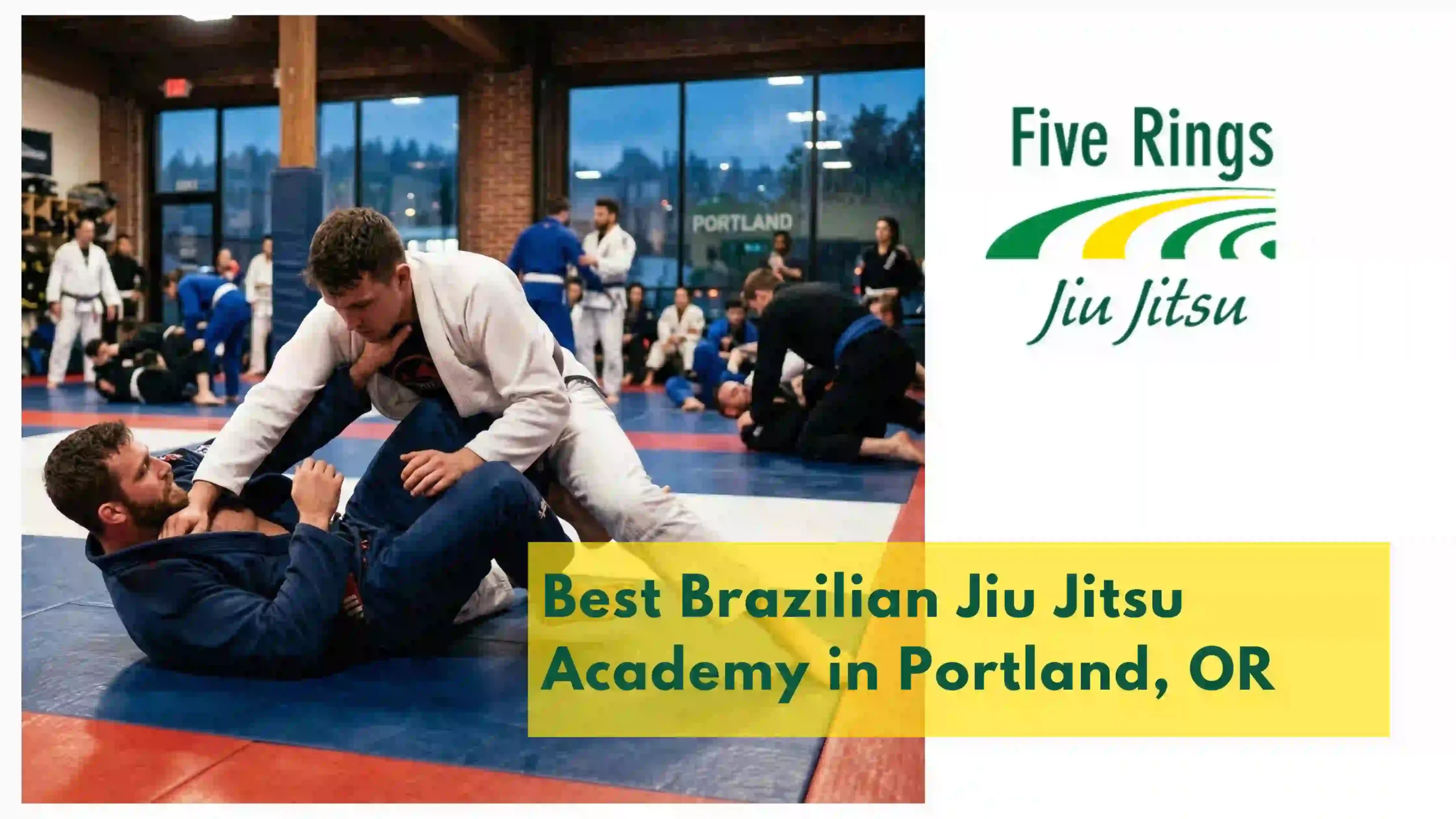
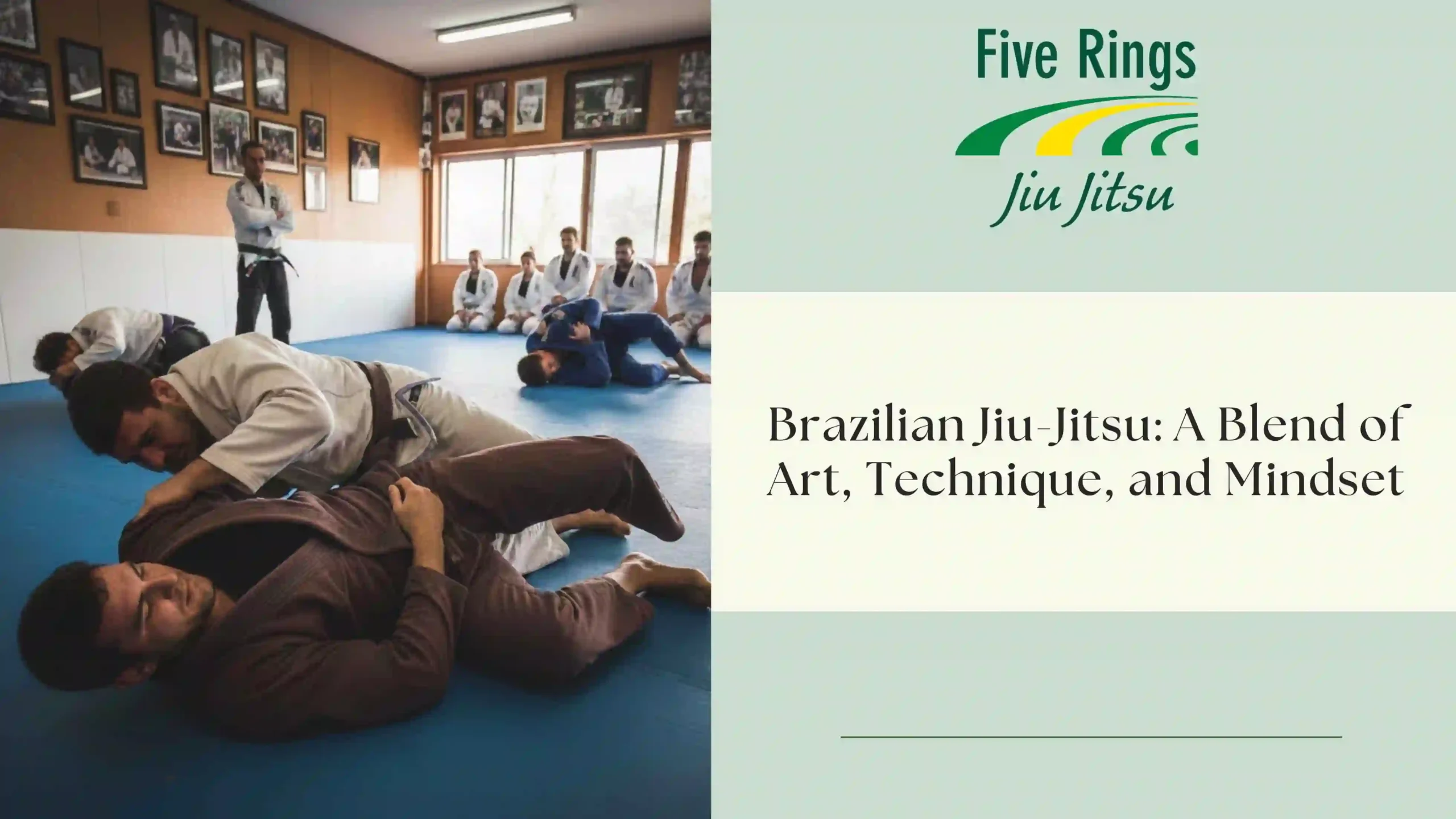
Gi training uses a traditional uniform, the kimono (gi) and belt. The gi changes the way the game is played.
You Can Grab the Clothing
In gi training, students are allowed to grip:
- Sleeves
- Collars
- Lapels
- Pants
Those grips slow opponents, control posture, and create pressure. It becomes a more technical, methodical style often compared to a physical chess match.
More Submissions Become Available
The gi also introduces unique choke variations and setups you simply cannot perform in no-gi, such as lapel chokes and collar chokes.
Why Students Love Gi Training
Gi training helps develop:
- Stronger fundamentals
- Better grip strength
- More structured control
- Patience and technique over speed
That’s why so many instructors recommend starting or at least spending time with the gi. It builds a technical foundation that carries over everywhere else.

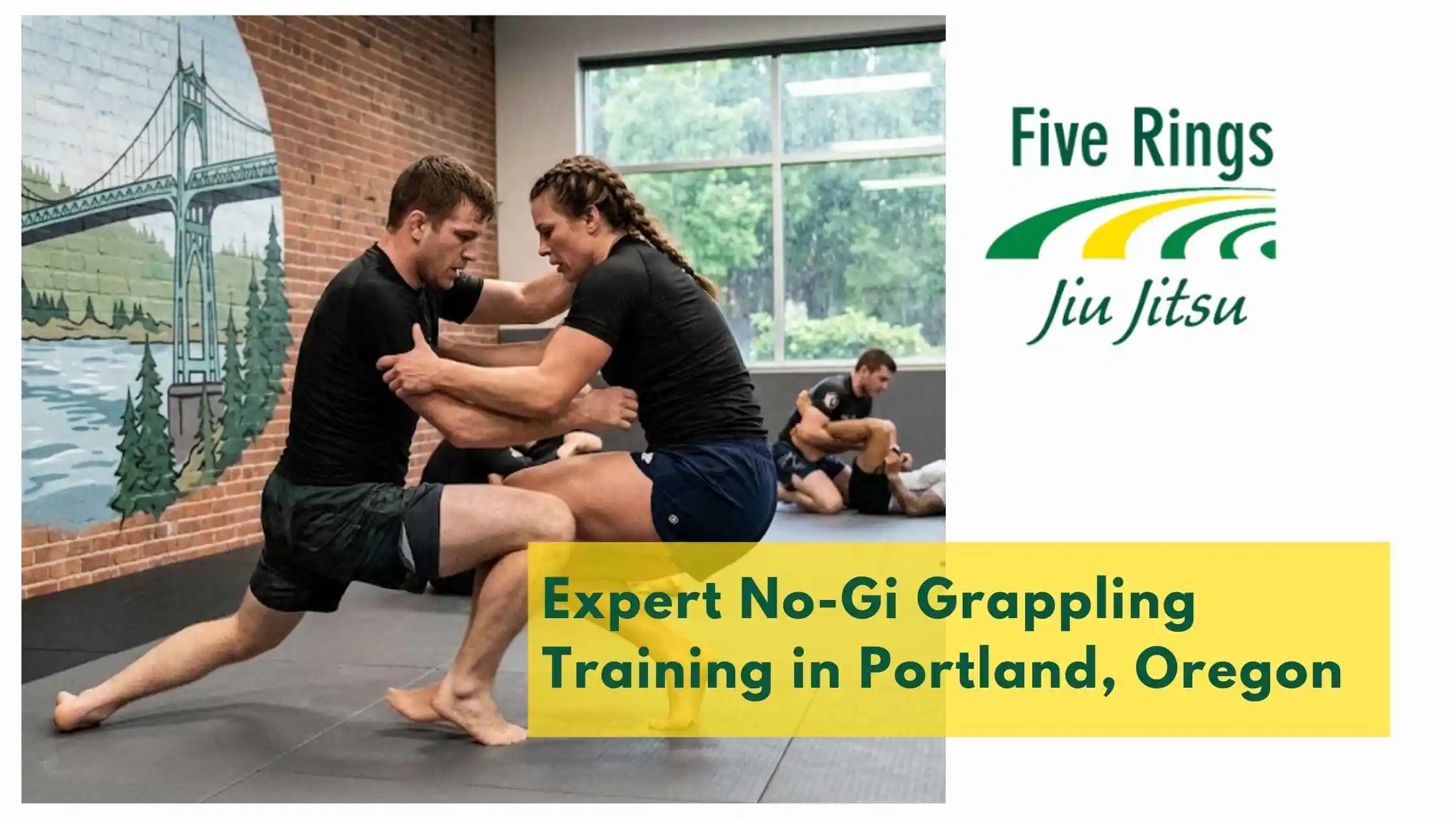
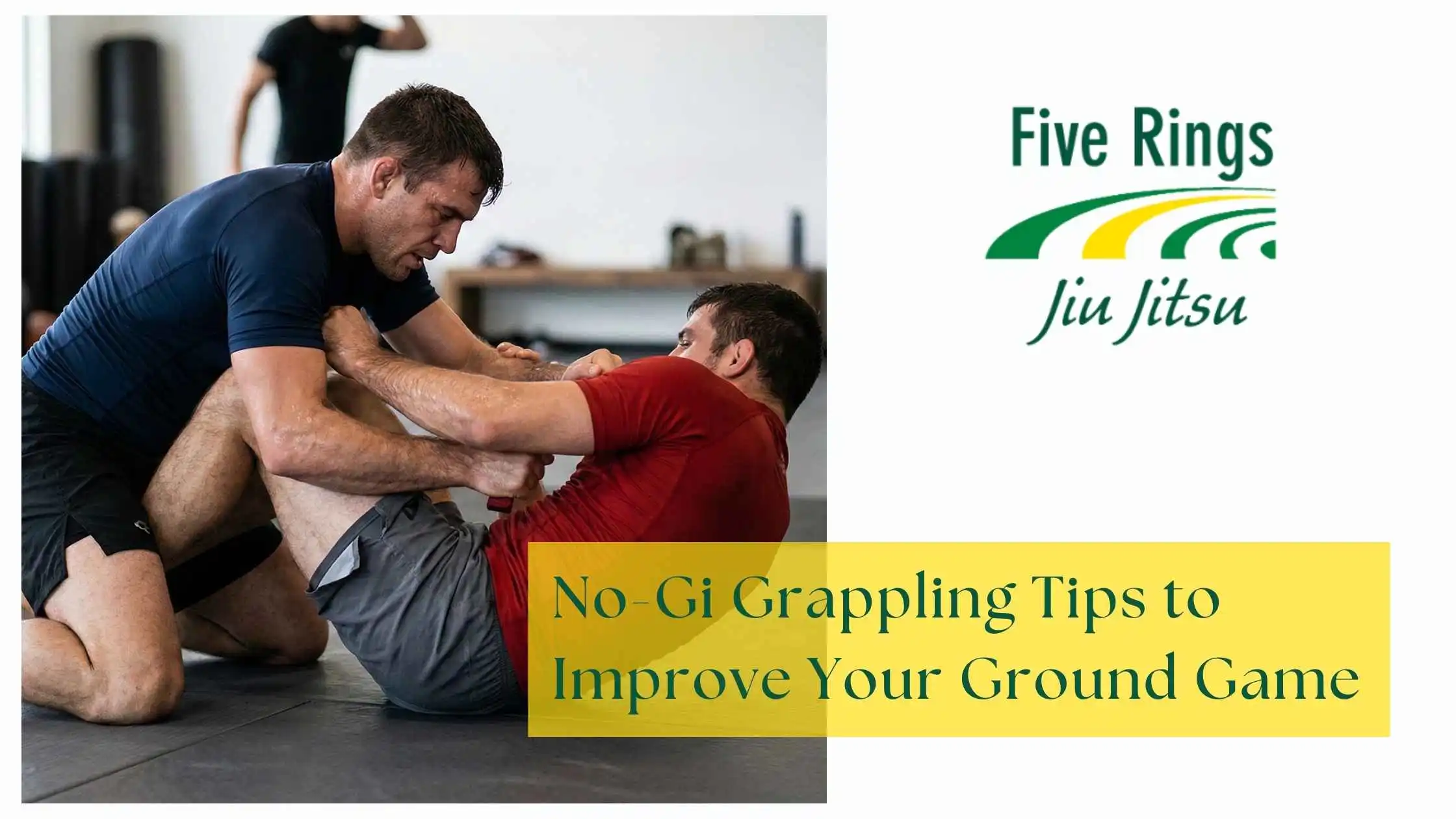
What Is No-Gi Grappling?
No-gi training removes the traditional uniform. Students wear:
- Rash guards
- Shorts or spats
- No jacket, no collar, no lapels
Without fabric grips, everything becomes faster and more dynamic.
Movement Becomes Key
Instead of grabbing clothing, grapplers rely on:
- Underhooks
- Overhooks
- Wrist control
- Body positioning
- Speed and timing
This leads to quicker scrambles and greater emphasis on athletic movement.
Realistic for MMA and Self-Defense
Because opponents in real-world situations aren’t always wearing heavy jackets or thick clothing, no-gi grappling translates well to:
- Self-defense situations
- MMA training
- Athletic competition formats like submission-only events
It forces students to react naturally instead of depending on cloth grips.
Key Differences Gi vs. No-Gi at a Glance
Here’s a simple breakdown:
| Feature | Gi Training | No-Gi Grappling |
|---|---|---|
| Clothing | Traditional gi + belt | Rash guard + shorts |
| Grips | Clothing grips allowed | Only body grips allowed |
| Speed | Generally slower, more controlled | Faster, more explosive |
| Submissions | Expanded collar/lapel chokes | Tighter, faster joint locks & chokes |
| Self-Defense Translation | Great if clothing is present | Excellent works anytime |
Both styles build real skill, which is why we encourage students to explore both under professional guidance.
Why Train Both Styles With Professionals?
Trying to learn grappling from random videos or unstructured training can create bad habits. Professional instruction ensures:
- Correct body mechanics
- Safe drilling
- Injury prevention
- Progression at the right pace
Our coaches break techniques down clearly so students understand why something works, not just how.
Whether you’re training for fitness, competition, or self-defense, learning both styles makes you a more complete grappler.

Which Style Is Better for Beginners?
The truth: neither is “better”; they just develop different strengths.
- Start with gi if you want technical understanding, patience, and structure.
- Train no-gi if you love fast movement, competition, or MMA.
Most students eventually choose both, building versatility and confidence.
And with a structured program, you don’t have to guess where to start our instructors guide you step-by-step.
Benefits You’ll Gain From Either Style
No matter which you choose, you’ll experience:
- Increased strength and endurance
- Sharper problem-solving skills
- Stress relief
- Improved coordination
- Real-world self-defense ability
- Supportive training community
Plus, grappling is simply fun. Every session feels like a challenge and a puzzle at the same time.
Safety Matters Train the Right Way
Technique always comes before ego.
Our classes emphasize:
- Controlled rolling
- Respectful training partners
- Proper tapping and communication
- Step-by-step progression
We build confidence, not chaos, ensuring students stay safe while developing real skills.
Call to Action: Try Gi and No-Gi With Expert Coaching
Whether you’re curious about self-defense, fitness, or competition, training both gi and no-gi unlocks the full grappling experience.
Our academy offers structured classes, welcoming instruction, and programs designed for beginners through advanced athletes.
Ready to see the difference for yourself?
Book a trial class today and discover how professional coaching can help you progress faster, safer, and more confidently.