In today’s fast-paced world, parents want more than just after-school activities for their children. They are looking for programs that build character, discipline, physical fitness, and emotional resilience. While team sports like soccer or basketball teach teamwork, they do not always address personal confidence or self-regulation.
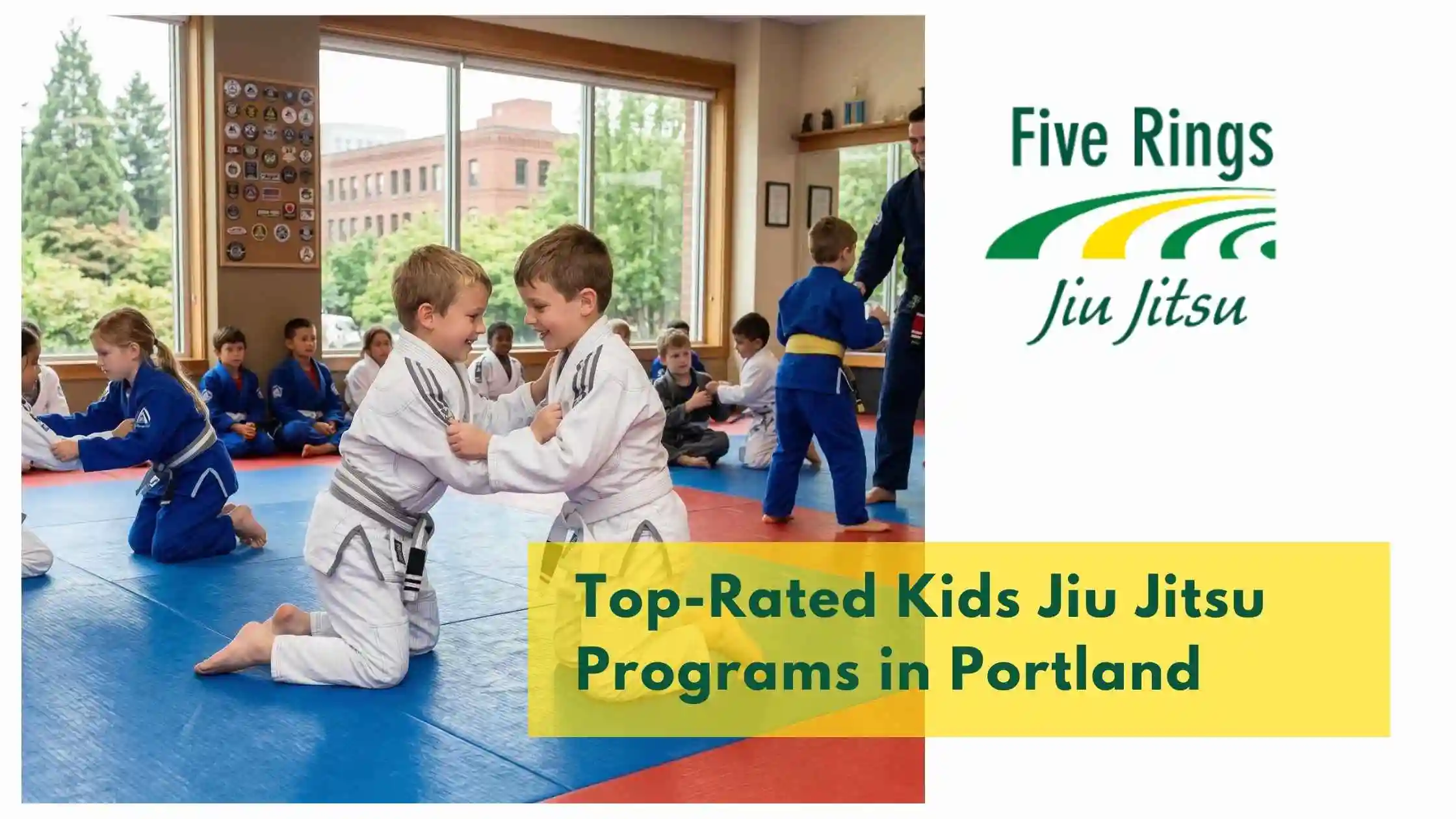
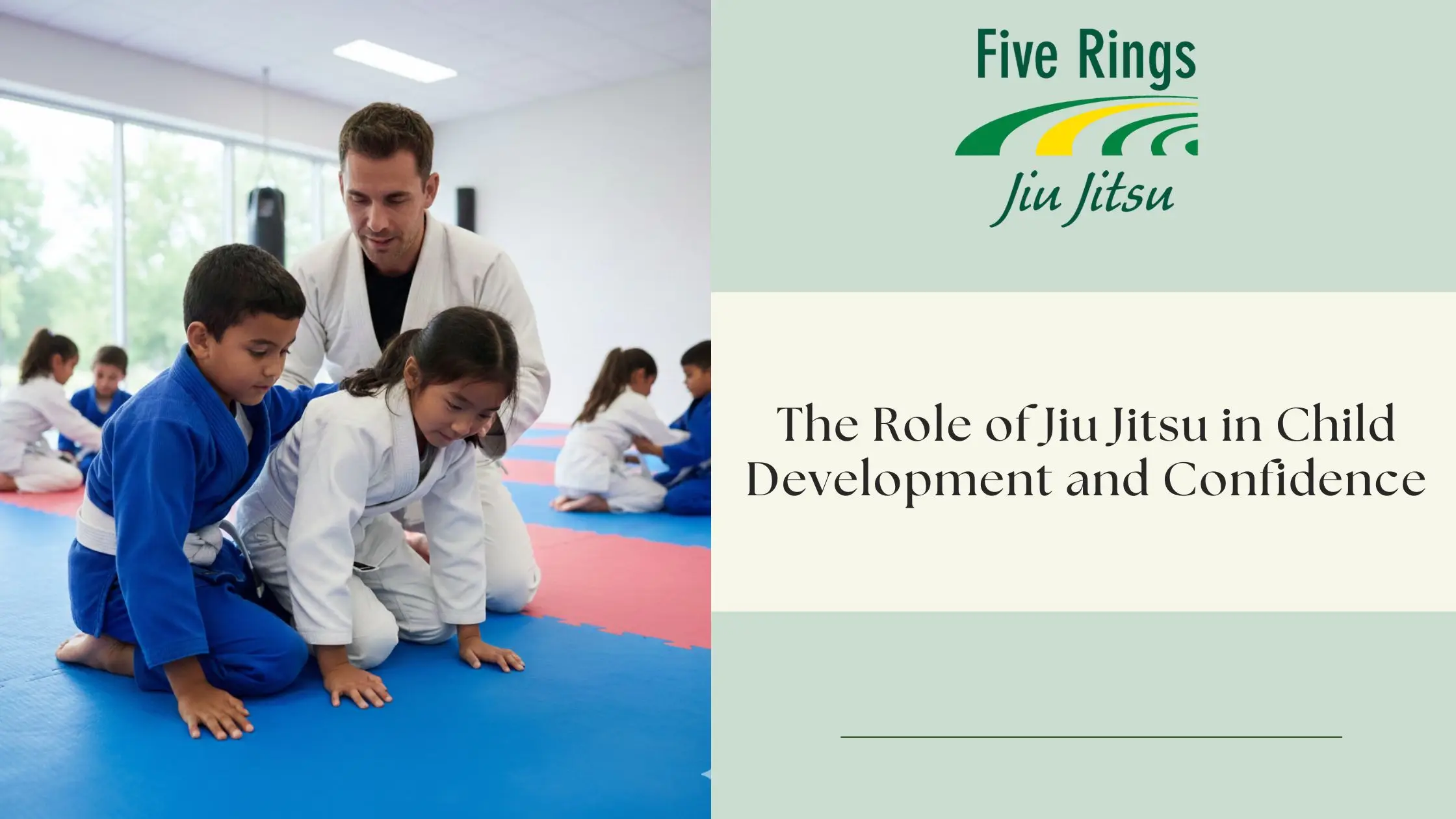
This is where children’s Jiu Jitsu programs stand out. Unlike other martial arts, Jiu-Jitsu emphasizes technique, strategy, and problem-solving over brute strength. Children learn to control their bodies, think ahead, and solve challenges while in a safe, supervised environment.
Jiu-Jitsu also provides a space where children can experience success early and often, which is crucial for building confidence and self-esteem.
A Common Parent Experience
Consider the story of a shy eight-year-old from a local neighborhood who struggled with self-confidence at school. The child avoided speaking up in class, hesitated to make friends, and experienced anxiety during new experiences.
The parent enrolled the child in a structured kids’ Jiu-Jitsu program. Within months, the child not only learned new techniques but began standing taller, engaging socially, and taking pride in small accomplishments like belt promotions. This transformation is a testament to how Jiu-Jitsu nurtures both physical and emotional growth in children.
Many parents across the country report similar success stories, proving that Jiu-Jitsu is more than a sport; it is a developmental tool.
Physical Development Through Jiu-Jitsu
Jiu-Jitsu is an excellent way for children to develop strength, coordination, and overall fitness. Unlike other activities that focus solely on one aspect of physical health, Jiu-Jitsu engages multiple systems simultaneously.
Improved Strength and Coordination
Through grappling, rolling, and technique drills, children build functional strength in the core, arms, and legs. Balance and coordination improve naturally, as kids must control their bodies while responding to partners in dynamic ways.
Cardiovascular Health
Jiu-Jitsu classes often involve continuous movement, which increases heart rate and cardiovascular endurance. Unlike static workouts, children remain engaged while building stamina.
Flexibility and Mobility
Stretching is integral to Jiu-Jitsu. It increases flexibility, joint mobility, and reduces the risk of injuries during sports or play.

Cognitive and Mental Development
Jiu-Jitsu is often described as “physical chess” because children must think ahead, adapt, and solve problems during rolls and drills.
Problem-Solving Skills
Kids learn to anticipate opponents’ movements, find openings, and respond strategically. These skills translate to better decision-making and adaptability in school and everyday life.
Focus and Concentration
Following sequences and techniques improves attention span and concentration. Children learn to stay present, listen carefully, and follow instructions, skills that support academic performance.
Emotional Regulation
Children learn to stay calm under pressure and manage frustration when facing challenges. Rolling with partners teaches patience and resilience.
Building Confidence Through Achievements
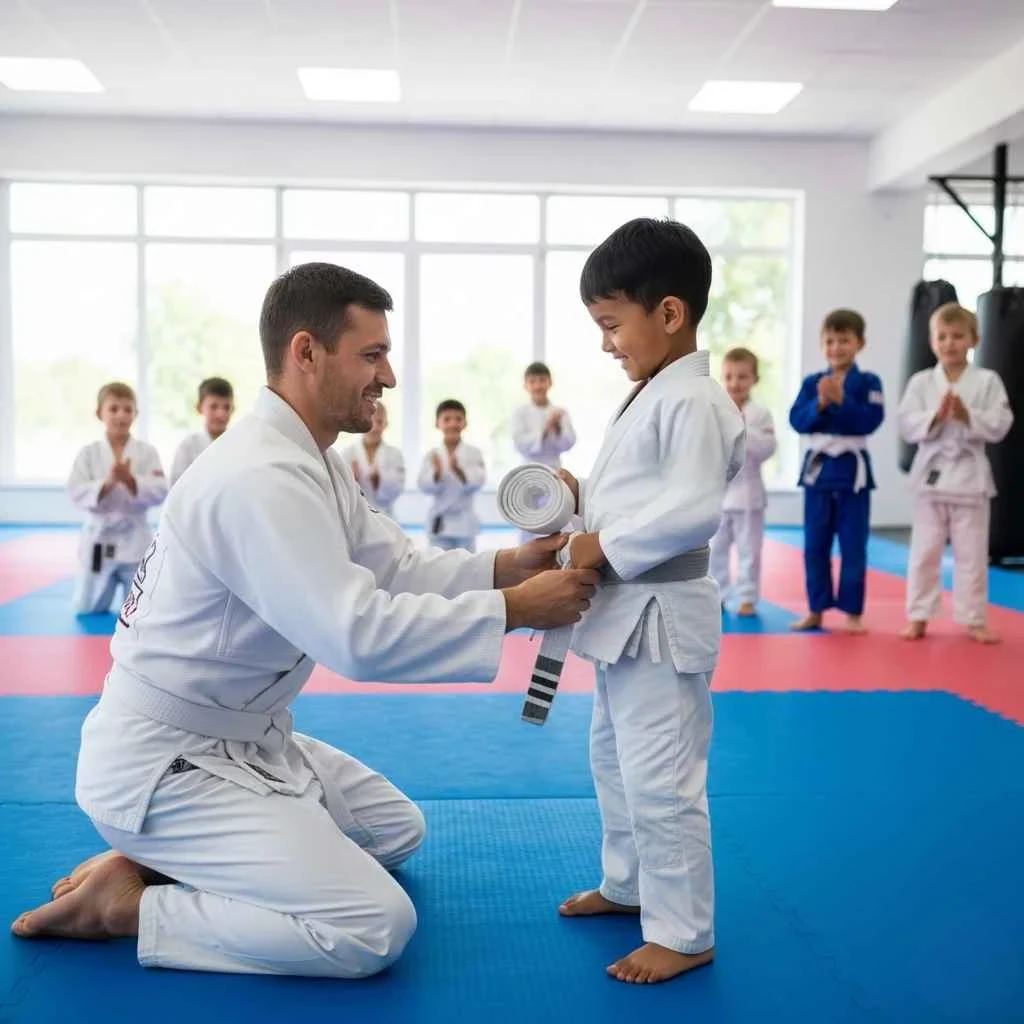
Confidence develops when children experience repeated, measurable successes. Jiu-Jitsu incorporates a belt system to track progress, which provides motivation and recognition.
- Learning a new guard technique
- Successfully completing a roll
- Earning a stripe or belt promotion
Each milestone boosts self-esteem. Over time, children carry this confidence into social, academic, and personal situations.
Discipline and Respect
Martial arts training instills discipline and respect. Children learn to:
- Bow when entering the mat
- Listen carefully to instructors
- Follow rules
- Respect training partners
This structure reinforces positive behaviors at home, school, and in social environments.
Social Skills and Teamwork
Jiu Jitsu requires interaction with training partners, fostering:
- Communication
- Empathy
- Cooperation
- Conflict resolution
Children often form strong friendships through shared experiences on the mat, building a sense of community.
Personal Safety and Self-Defense
Jiu-Jitsu equips children with practical self-defense skills. While emphasis is on discipline and control rather than aggression, children learn to:
- Escape holds safely
- Protect themselves without harming others
- Avoid dangerous situations
These skills increase confidence and safety awareness.
Bullying Prevention
Children trained in Jiu-Jitsu often experience reduced bullying risk. Confident children who know how to defend themselves appropriately are less likely to be targeted. Moreover, martial arts teach conflict avoidance and de-escalation, which is crucial for real-life situations.
Why Professional Kids Jiu Jitsu Programs Matter
Professional programs ensure safety, age-appropriate instruction, and effective skill progression. Certified instructors know how to:
- Modify techniques for different ages
- Maintain a safe training environment
- Provide structured learning
- Encourage positive reinforcement
Academic and Behavioral Benefits
Parents frequently report that children participating in Jiu-Jitsu show improvements in:
- Academic focus: Better concentration in school
- Behavioral consistency: Less impulsive behavior
- Sleep patterns: Improved quality of rest
- Emotional resilience: Reduced stress and anxiety
These benefits extend far beyond physical fitness.
Nutrition and Lifestyle Integration
Many youth programs integrate healthy lifestyle education, teaching children how nutrition and sleep impact performance, recovery, and overall wellness. This holistic approach helps kids develop lifelong healthy habits.
Benefits for Children With Special Needs
Jiu-Jitsu has proven benefits for children with ADHD, anxiety, or low self-esteem. The structured environment, physical activity, and social interaction provide focus, routine, and self-confidence, which often improve behavior and learning outcomes.
Choosing the Right Kids Jiu-Jitsu Program
When selecting a program, consider:
- Certified instructors
- Small class sizes for individualized attention
- Safe, clean training facilities
- Positive reinforcement and a growth-oriented approach
- Curriculum that balances physical, mental, and social skills

Family and Community Benefits
Children attending Jiu Jitsu often involve families in events, belt promotions, and tournaments, fostering:
- Family bonding
- Community engagement
- Peer support
Martial arts becomes more than a class, it’s a community.
Long-Term Impact
Kids who train consistently carry benefits into adulthood, including:
- Higher self-esteem
- Better physical fitness
- Conflict resolution skills
- Lifelong interest in health and wellness
Jiu Jitsu teaches that persistence, discipline, and resilience lead to success in all areas of life.
Call to Action
Give your child the opportunity to grow stronger physically, mentally, and emotionally. Enroll in our children’s Jiu Jitsu programs today and watch them develop confidence, discipline, and resilience that will last a lifetime.
Call now, schedule a free trial class, or request more information to start your child’s journey with Jiu Jitsu today!