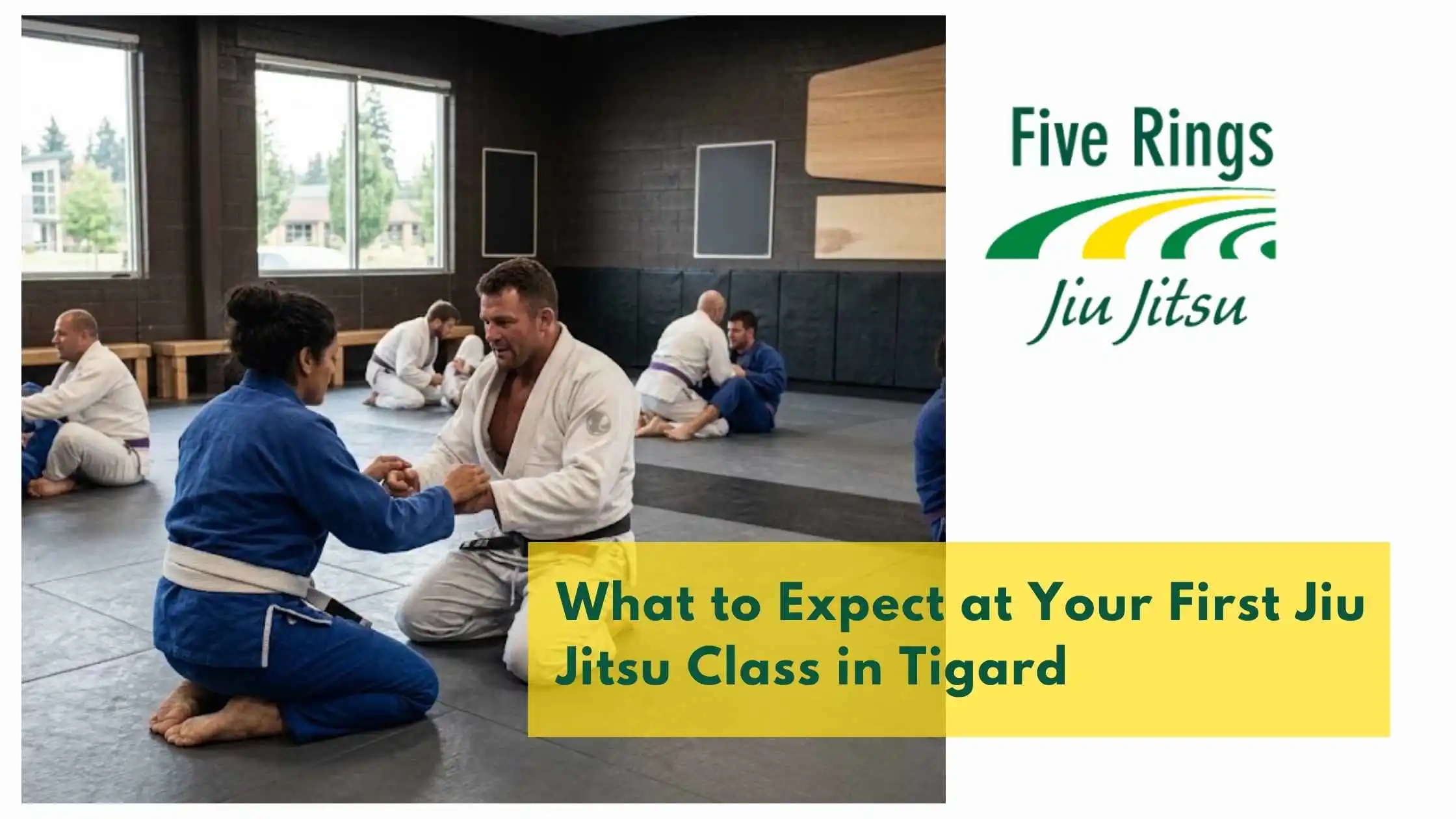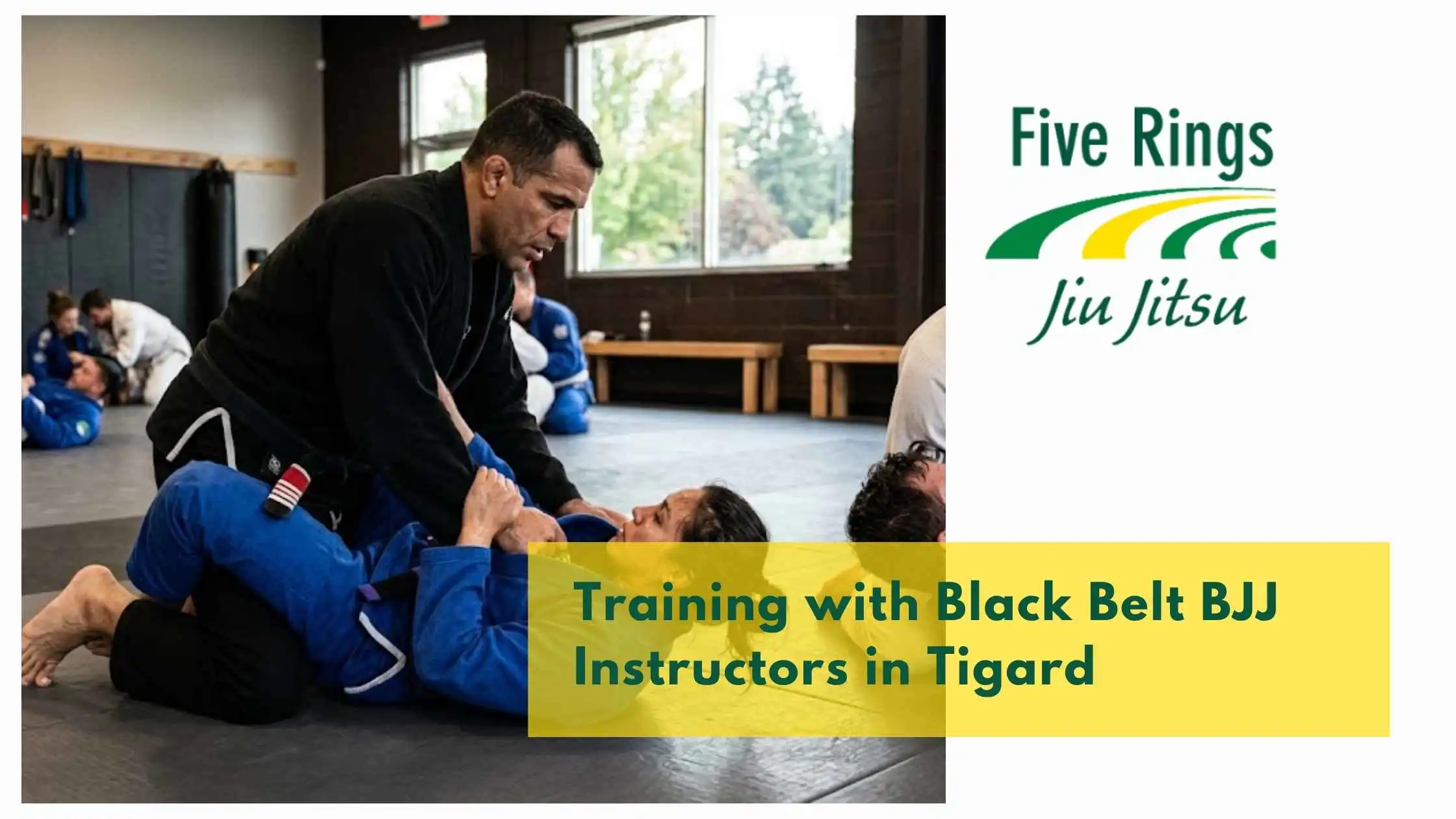

Jiu Jitsu is more than a martial art, it’s a system for developing the body and mind together. Unlike disciplines that rely primarily on speed or brute force, Jiu Jitsu emphasizes leverage, control, and thoughtful decision-making. Practitioners often begin training for fitness or self-defense but stay because of the profound mental and personal growth it delivers.
From improved physical conditioning to sharper problem-solving skills and stronger self-discipline, Jiu Jitsu offers benefits that extend far beyond the mat.
Building Functional Strength Through Technique
One of the most noticeable benefits of Jiu Jitsu is the way it builds functional, real-world strength. Instead of isolated muscle movements, training focuses on full-body coordination.
Strength Without Excessive Strain
Jiu Jitsu develops:
- Core stability
- Grip strength
- Hip and leg power
- Joint control and balance
Because techniques rely on leverage rather than force, practitioners gain strength without placing excessive stress on joints. This makes Jiu Jitsu accessible to people of all ages and fitness levels.
Endurance and Mobility
Rolling (sparring) sessions challenge muscular endurance and cardiovascular health while improving flexibility and joint mobility. Over time, the body adapts to sustained effort, controlled breathing, and efficient movement.
Strategy: Thinking Several Moves Ahead
Jiu Jitsu is often compared to physical chess. Every position, grip, and transition requires strategic thinking.
Problem-Solving Under Pressure
During training, practitioners constantly:
- Analyze an opponent’s movement
- Anticipate counters and reactions
- Adjust techniques in real time
This develops mental agility and the ability to remain calm under pressure, skills that transfer directly into daily life, work environments, and stressful situations.
Learning Through Failure
Mistakes are a built-in part of Jiu Jitsu. Getting caught in a submission isn’t failure, it’s feedback. Over time, students learn to adapt, refine techniques, and approach challenges with patience rather than frustration.
Developing Self-Discipline on and off the Mat

Progress in Jiu Jitsu doesn’t come overnight. Belts are earned through consistency, effort, and humility.
Commitment and Routine
Regular training builds:
- Time management skills
- Accountability
- Goal-setting habits
Showing up, even on days when motivation is low, reinforces discipline that extends into work, fitness, and personal responsibilities.
Respect and Humility
Jiu Jitsu culture emphasizes respect for instructors, training partners, and the learning process. Rank is earned, not demanded, which helps students develop humility and emotional control.
Mental Resilience and Emotional Control
Jiu Jitsu places practitioners in uncomfortable positions by design. Learning to stay composed while physically challenged builds emotional resilience.
Stress Management
Controlled breathing and problem-solving during intense moments help regulate the nervous system. Many practitioners report:
- Reduced anxiety
- Improved emotional regulation
- Better stress response
Confidence Without Aggression
Confidence in Jiu Jitsu comes from knowing you can protect yourself, not from dominance or intimidation. This balanced confidence often improves posture, communication, and decision-making in everyday life.
Jiu Jitsu and Personal Growth
Beyond physical and mental benefits, Jiu Jitsu fosters personal development in subtle but powerful ways.
Discipline Through Long-Term Progress
Advancement is slow by design. This teaches:
- Patience
- Consistency over shortcuts
- Appreciation for small improvements
Community and Support
Training environments encourage teamwork, trust, and mutual growth. Students rely on each other for progress, creating strong social bonds and accountability.
Why Jiu Jitsu Appeals to All Ages
Jiu Jitsu’s adaptability makes it suitable for:
- Children learning discipline and focus
- Adults seeking fitness and stress relief
- Older individuals wanting mobility and mental engagement
Because techniques can be modified for intensity and ability, practitioners can train safely and sustainably over many years.
Practical Benefits Beyond the Gym
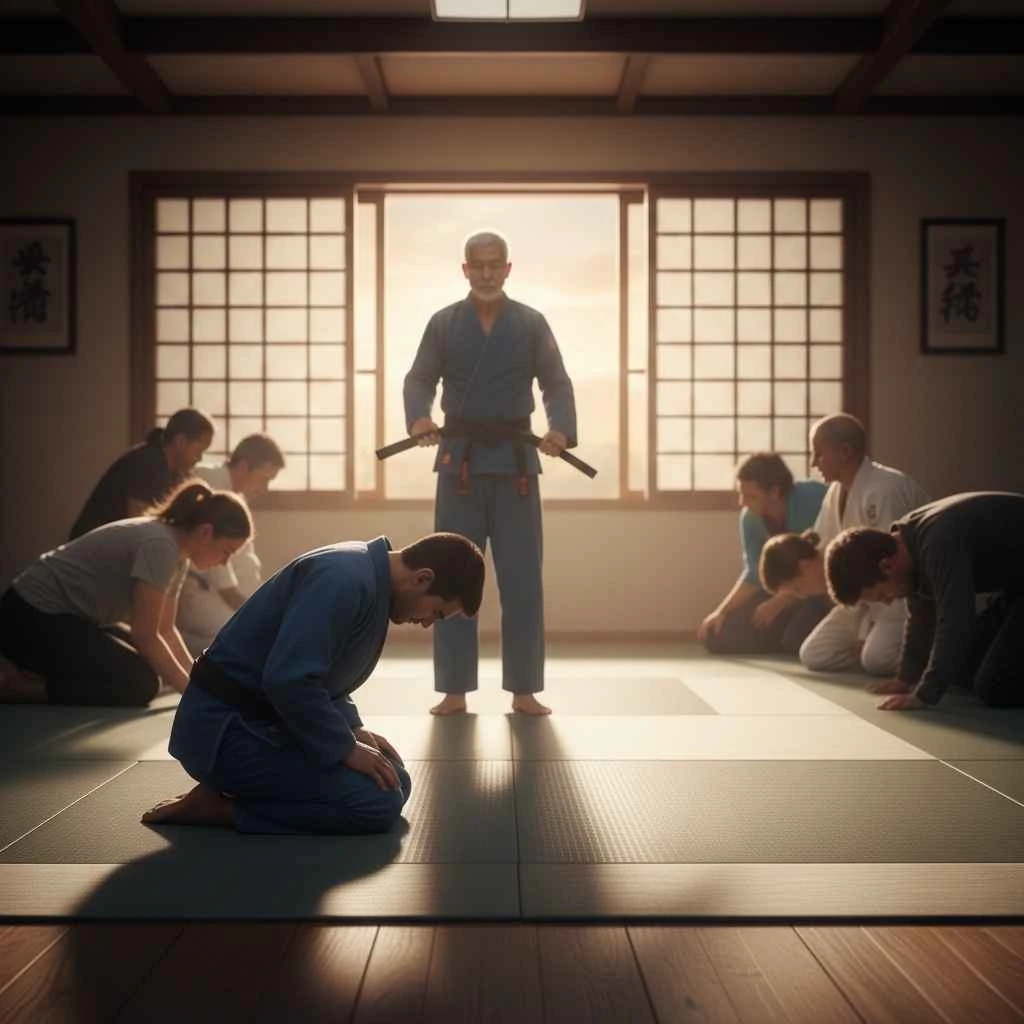
The lessons learned through Jiu Jitsu don’t stay on the mat.
Practitioners often experience:
- Improved decision-making under stress
- Greater self-control in conflict situations
- Increased confidence in social and professional settings
- Stronger work ethic and consistency
These real-world benefits are why many people describe Jiu Jitsu as a lifestyle rather than just a sport.
Getting Started With Jiu Jitsu
Beginners don’t need prior experience or peak fitness. The most important qualities are curiosity and commitment.
Expect early sessions to focus on:
- Basic positions and movements
- Safety and tapping etiquette
- Controlled drills before live sparring
Progress comes from showing up, staying patient, and trusting the process.
Train the Body, Sharpen the Mind
Jiu Jitsu uniquely combines physical conditioning, strategic thinking, and disciplined growth. It challenges the body without breaking it, sharpens the mind without overwhelming it, and builds confidence without ego.
Whether your goal is fitness, self-defense, mental resilience, or personal development, Jiu Jitsu offers a structured path to becoming stronger, physically and mentally.
Call to Action
Start training today and experience how Jiu Jitsu builds strength, strategy, and self-discipline that lasts a lifetime.