
Children in Portland face social challenges at school, on playgrounds, and in other group settings where teasing, intimidation, and peer pressure can affect their confidence and sense of security. Effective Anti-Bullying strategies help children recognize inappropriate behavior, communicate boundaries, seek support from trusted adults, and respond to difficult situations without escalating conflict. For families looking to build these skills, kids Brazilian Jiu-Jitsu (BJJ) offers structured physical activity alongside lessons in confidence, respect, discipline, and age-appropriate self-defense.
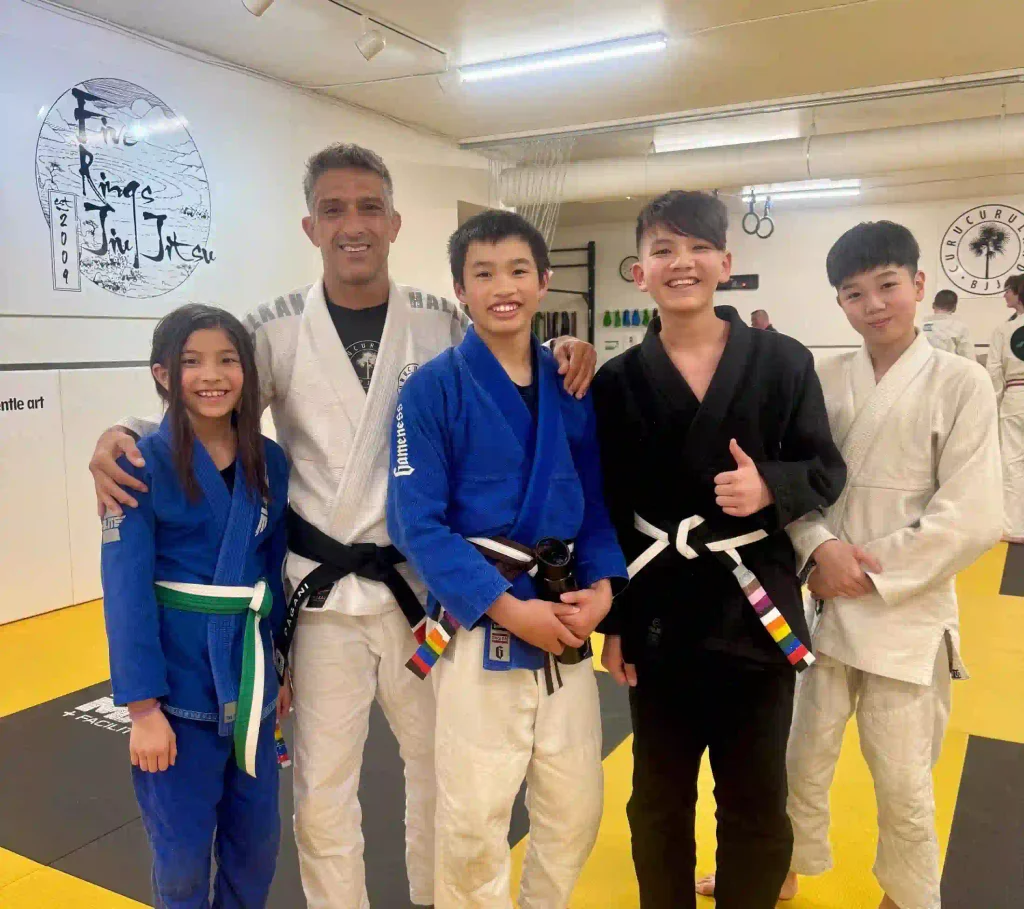
At Five Rings Jiu Jitsu in Portland, children’s classes combine martial arts instruction with character development and practical life skills. The academy’s youth program serves children ages 5 to 16, with classes organized by age and developmental stage. This approach helps children learn at an appropriate pace while developing physical coordination, emotional control, and confidence that can support them both on and off the mat.
Martial arts cannot eliminate bullying, and children should never be expected to handle persistent harassment alone. However, a well-structured kids’ BJJ program can give them useful tools for responding assertively, protecting personal boundaries, and understanding when to ask adults for help.
Why Anti-Bullying Education Matters for Portland Families
Bullying can take many forms, including repeated verbal insults, social exclusion, intimidation, and unwanted physical contact. Children experiencing these behaviors may become anxious about school, withdraw from activities, or lose confidence in their ability to make friends.
Parents in Portland and surrounding communities such as Beaverton, Tigard, and Lake Oswego may look for extracurricular activities that support their children’s physical and social development. Beyond keeping children active, structured martial arts training can offer a setting where they practice communication, self-control, and respectful interactions with peers.
Anti-Bullying education should focus on prevention rather than retaliation. Children need to understand that being confident does not mean being aggressive, and being physically capable does not mean they should fight whenever someone treats them badly.
At Five Rings Jiu Jitsu, the kids program emphasizes confidence, respect, focus, goal-setting, leadership, and bully prevention. Students learn to stand tall, use their voices, and walk away from conflict when possible. Physical self-defense is taught as a last resort for situations in which protecting themselves becomes necessary.
These lessons reinforce an important message: children deserve to feel safe, and asking for help is a sign of good judgment rather than weakness.
How Kids BJJ Builds Confidence Against Bullying
Confidence is an important part of bullying prevention. Children who feel more comfortable expressing themselves may find it easier to communicate boundaries, seek assistance, and participate in social activities. Confidence does not guarantee that bullying will stop, but it can help children feel better prepared to respond.
Teaching Children to Speak Up and Set Boundaries
A child should be able to say, “Stop, I don’t like that,” in a clear and controlled voice. This kind of assertive communication can help establish boundaries without encouraging aggression.
Martial arts classes provide opportunities for children to practice following instructions, speaking respectfully, and responding calmly to challenges. Coaches can reinforce the difference between confidence and intimidation by setting clear expectations for behavior.
Parents can support these lessons at home by role-playing common situations. For example, children can practice what to say when a classmate makes an unkind comment, excludes them from a game, or repeatedly invades their personal space.
If the behavior continues or a child feels threatened, they should tell a trusted adult, such as a parent, teacher, or school counselor.
Developing Resilience Through Practice
Learning Brazilian Jiu Jitsu takes patience. Children practice unfamiliar movements, make mistakes, receive feedback, and gradually improve their skills. This process helps them understand that setbacks are a normal part of learning.
At Five Rings Jiu Jitsu, students work toward visible milestones such as stripes and stars. These markers help children recognize their progress and appreciate the effort behind their achievements.
Developing resilience does not mean tolerating mistreatment. Instead, it helps children understand that a difficult experience does not define their worth and that they can seek support while working through challenges.
Encouraging Respect and Emotional Control
Bullying prevention also requires children to understand their own behavior. Students need to learn how to manage frustration, respect differences, and treat training partners appropriately.
A structured martial arts environment reinforces these expectations through supervised practice, clear rules, and positive coaching. Children learn that their skills should never be used to threaten classmates or settle ordinary disagreements.
Practical Anti-Bullying Strategies Children Can Learn
The most useful Anti-Bullying strategies combine communication, awareness, adult support, and safe decision-making. Kids BJJ can reinforce several of these skills through structured lessons and supervised practice.
Recognize the Situation and Stay Calm
Children can learn to recognize when teasing, unwanted contact, or intimidation is becoming a problem. Remaining calm when possible can help them think clearly about their next steps.
They should also understand that they do not have to remain in an uncomfortable or threatening situation to prove they are brave.
Use Clear Words and Leave When Possible
When it is safe to do so, children can use a firm voice to establish a boundary and then move away. Walking away is often a sensible response because the objective is to reach safety, not win an argument.
Tell a Trusted Adult
Children should know which adults they can approach at school, during activities, and at home. If bullying happens repeatedly, they should describe what occurred, when it happened, and who was involved.
Parents can help by listening without blaming the child, documenting recurring incidents when appropriate, and working with the school or responsible organization to address the behavior.
Understand Self-Defense as a Last Resort
Brazilian Jiu Jitsu teaches grappling skills involving balance, leverage, positional control, and escapes. These techniques may help a child respond if physical contact becomes unavoidable, but they do not replace prevention or adult intervention.
Children need age-appropriate instruction on when to disengage, protect themselves, and get help. They should never be encouraged to initiate a fight or use a technique to punish another child.
At Five Rings Jiu Jitsu, self-defense is presented as a last resort, supporting a broader approach that prioritizes safety, confidence, and responsible decision-making.
Why Professional Instruction Makes a Difference
Teaching children self-defense requires more than demonstrating martial arts techniques. Young students need instruction that matches their age, physical development, attention span, and ability to understand boundaries.
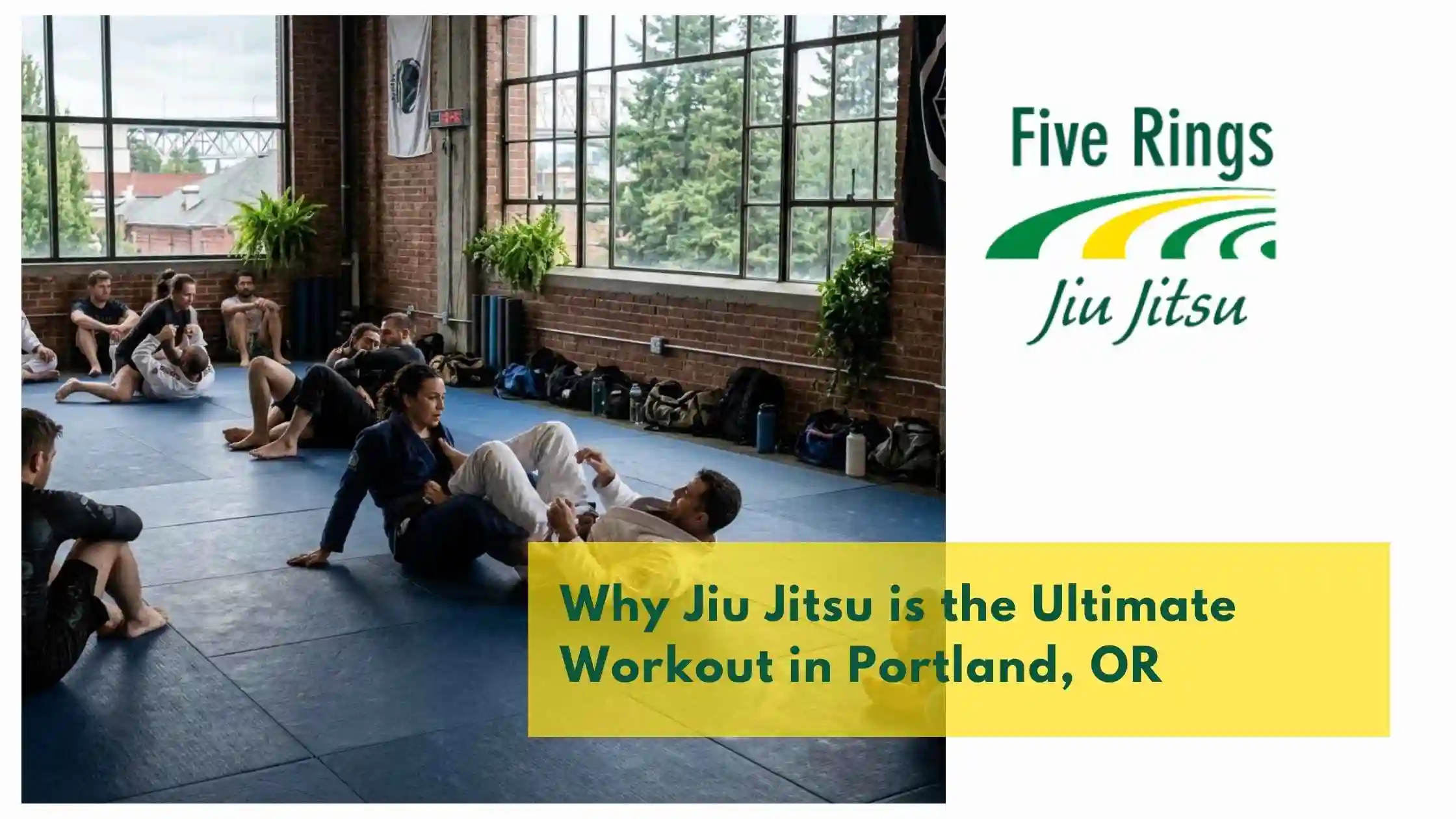
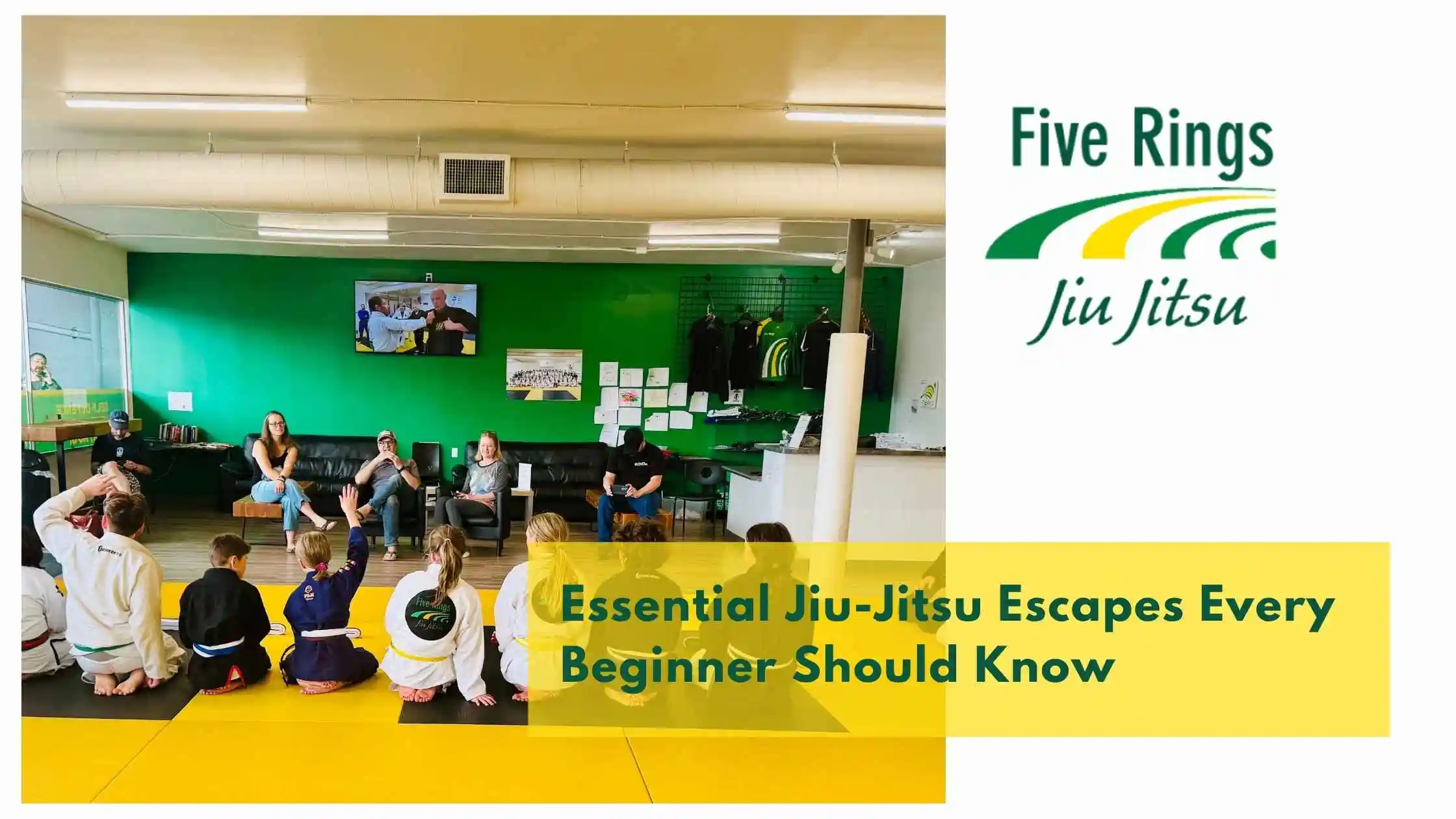
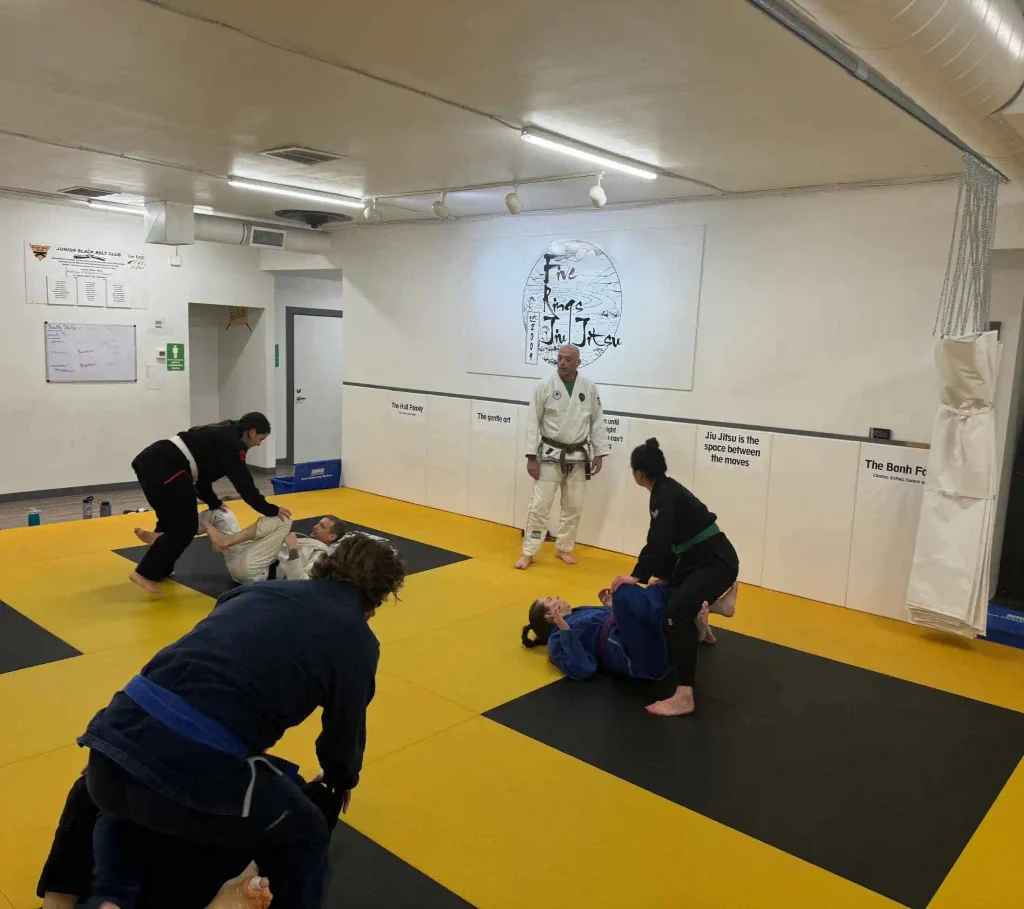
Five Rings Jiu Jitsu uses an age-based approach to its children’s program, with separate groups for younger children, older kids, and teenagers. Classes combine warm-up games, technique demonstrations, partner practice, and positive messages to reinforce both physical skills and personal development.
Age-Appropriate Training and Supervision
Children learn differently at different stages of development. Younger students benefit from simple instructions, movement games, and foundational skills, while older students can work on more complex techniques, problem-solving, and leadership.
Professional instructors can adjust drills to suit students’ abilities, monitor partner interactions, and reinforce safe behavior. This is especially important when children practice grappling, where correct technique and controlled movement matter.
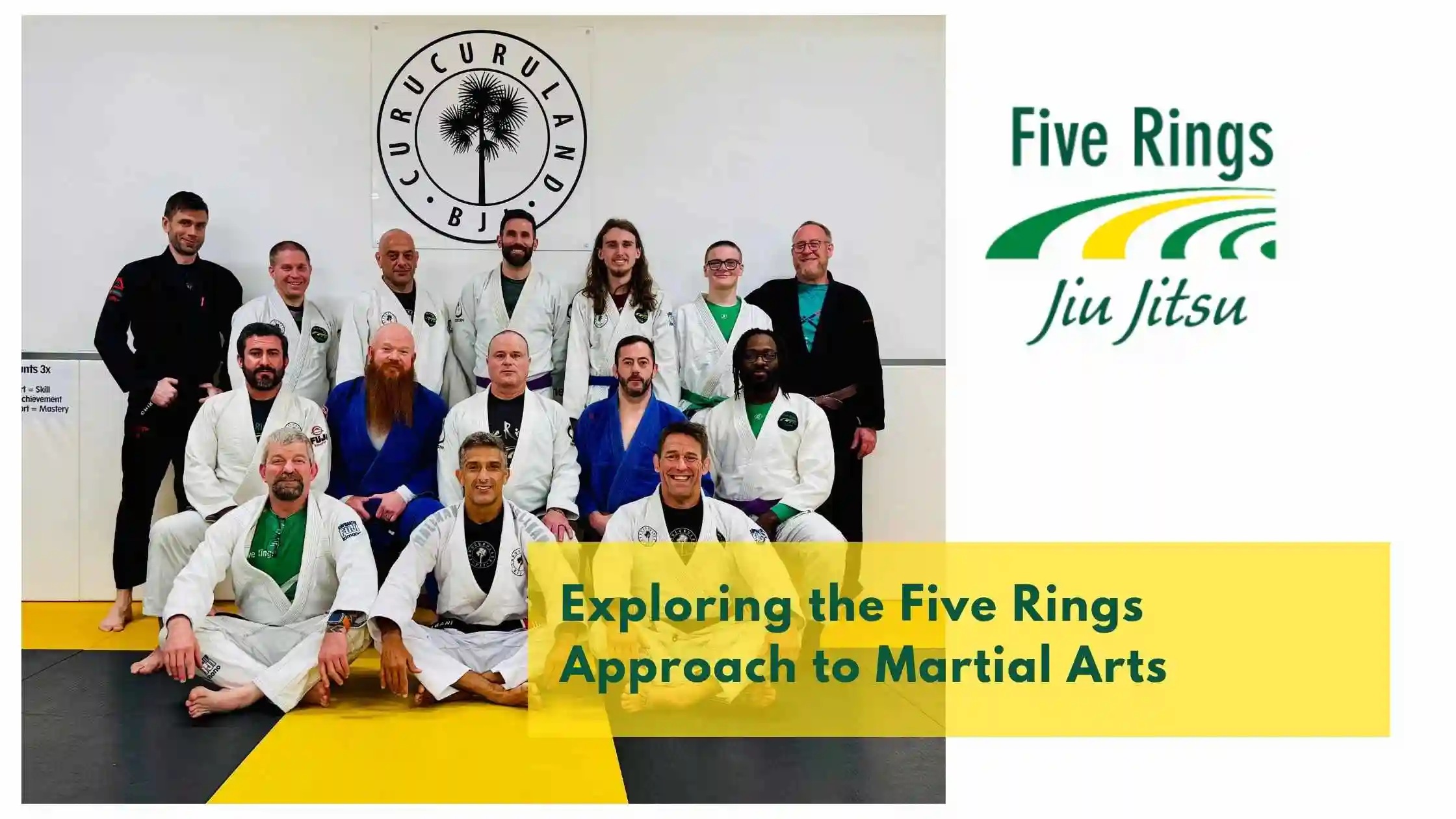
Five Rings Jiu Jitsu’s head coaches, Tom Oberhue and Dan VanDetta, have backgrounds in education and extensive experience teaching children martial arts. The academy emphasizes structured classes, appropriate training partners, and a supportive learning environment.
Building Skills Without Encouraging Aggression
Effective Anti-Bullying training should help children become more confident without teaching them to intimidate others. Coaches play an important role in explaining that martial arts skills come with responsibility.
Children should understand that winning a training exercise is less important than showing respect, making a genuine effort, and helping teammates learn. These principles help create an environment where students can develop their abilities without treating classmates as enemies.
A Realistic Approach to Bullying Prevention
Consider a child who begins avoiding recess because a classmate repeatedly teases them and pushes them during games. The child becomes less willing to participate in group activities and worries that speaking up will make the situation worse.
Through age-appropriate martial arts training, the child may practice standing confidently, communicating boundaries, maintaining balance, and escaping basic holds in a controlled setting. Positive coaching can also help the child become more comfortable asking questions and seeking support.
These skills may help the child feel more prepared, but training alone cannot resolve every bullying situation. The parents should communicate with the school, report repeated incidents, and work with responsible adults to protect the child. If there is an immediate threat of harm, safety and adult intervention must come first.
The goal is not to make children responsible for stopping bullying themselves. It is to help them develop confidence and practical skills while ensuring they know when and how to seek help.
Give Your Child a Stronger Start With Kids BJJ in Portland
Anti-Bullying education is most effective when children learn that confidence, kindness, communication, and personal safety work together. Brazilian Jiu Jitsu can support these lessons by providing structured physical challenges, supervised practice, and opportunities to develop discipline and resilience.
Five Rings Jiu Jitsu offers kids classes for ages 5 to 16 at its Portland academy, located at 8775 SW Canyon Lane, Portland, OR 97225. Families can discuss the appropriate class for their child’s age and experience with the coaching team.
Call (503) 327-8265 to ask about kids’ Jiu-Jitsu classes and arrange your child’s first class. Give your child an opportunity to build confidence, learn responsible self-defense, and develop skills that support a safer, more positive approach to everyday challenges.
Frequently Asked Questions
Can kids BJJ help prevent bullying?
Kids Brazilian Jiu Jitsu can support bullying prevention by developing confidence, communication, discipline, and age-appropriate self-defense skills. It works best alongside parent involvement, school support, and clear reporting procedures.
At what age can children start Jiu Jitsu at Five Rings?
Five Rings Jiu Jitsu offers youth training for children ages 5 to 16, with classes organized into age-appropriate groups. Parents can contact the academy to determine which class is suitable for their child.
Does Anti-Bullying training teach children to fight back?
Responsible Anti-Bullying training emphasizes setting boundaries, walking away when possible, and seeking adult help. Physical self-defense should be a last resort when necessary to protect personal safety, not a way to retaliate.
How can parents reinforce Anti-Bullying lessons at home?
Parents can practice assertive communication with their children, encourage them to report troubling behavior, listen without judgment, and contact school staff when bullying occurs. Remind children that they are not to blame for being bullied and do not have to handle the situation alone.